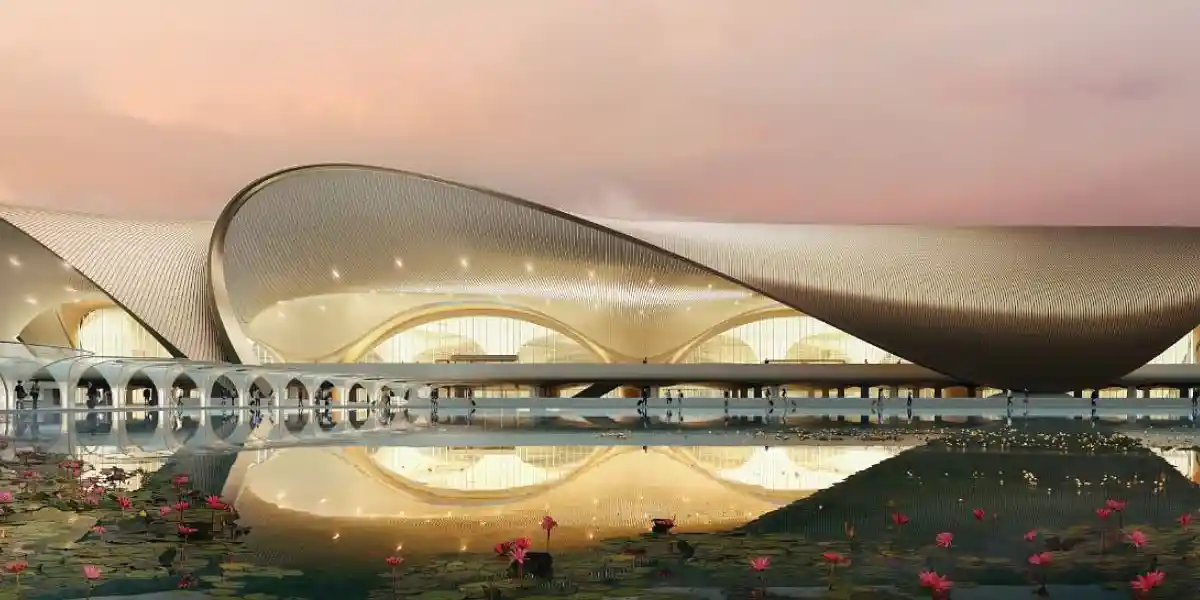
Aviation infrastructure projects demand absolute reliability, especially in load-intensive and moisture-sensitive zones such as taxiways, bridge decks, and terminal access structures. At the Navi Mumbai International Airport, these challenges called for waterproofing solutions engineered for durability and long service life. Shruti Shah, Director – Marketing, TIKIDAN, explains how high-performance monolithic systems like Asphaltoseal (5mm) were deployed, and how precision execution and lifecycle-focused design are shaping resilient airport infrastructure.

What made the Navi Mumbai International Airport (NMIA) a strategically important project for TIKIDAN, and how did your team address its unique performance and durability requirements?
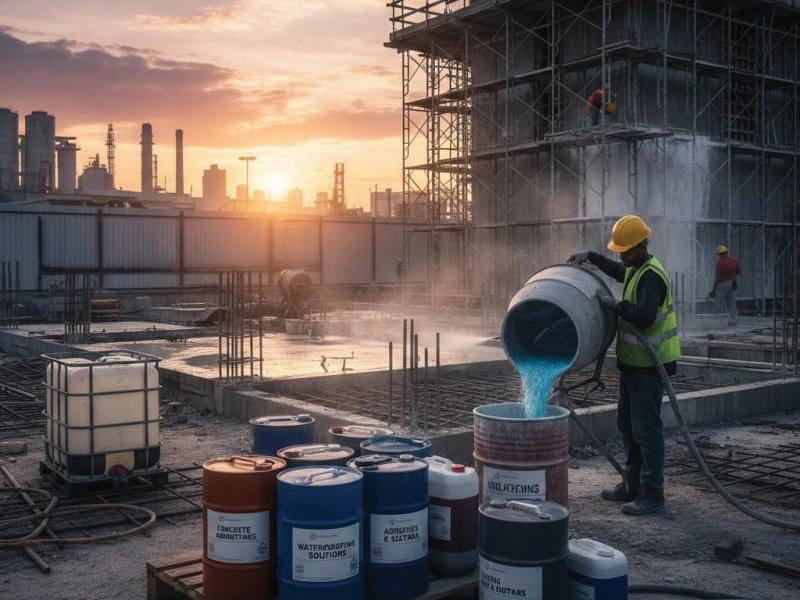
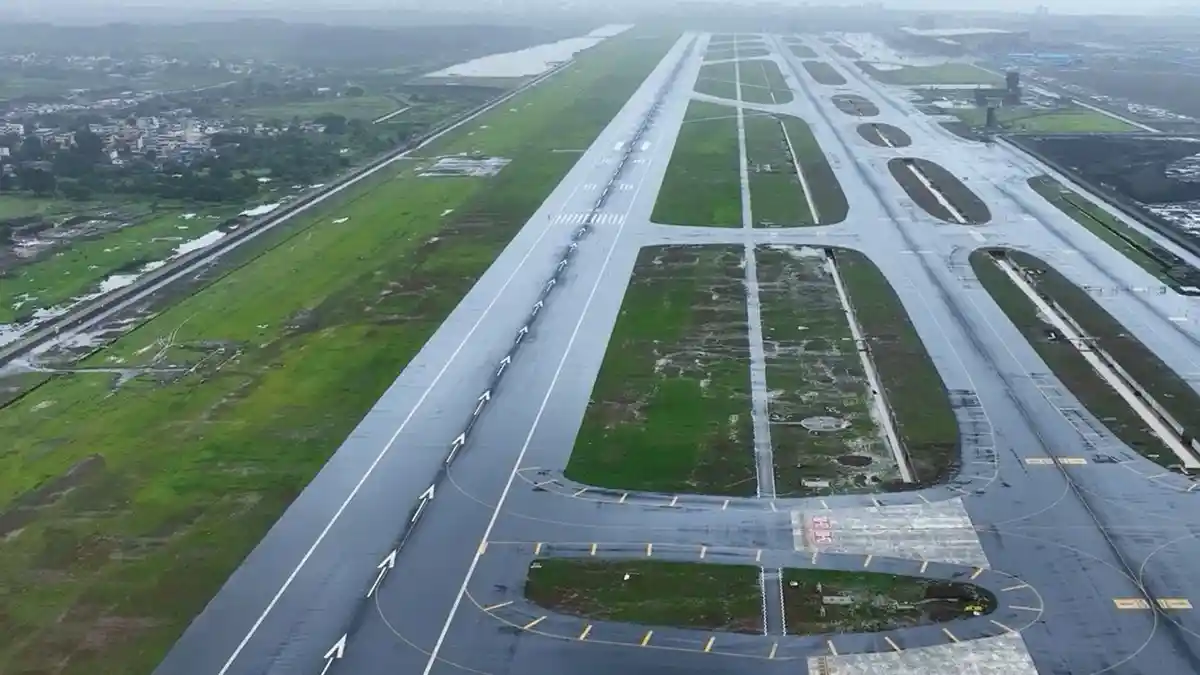
The Navi Mumbai International Airport is one of India’s most prestigious and complex infrastructure developments, designed to handle high passenger volumes and heavy aircraft movement. For TIKIDAN, contributing to this project was strategically significant because airport ramps, bridge decks and taxiway structures demand absolute reliability as these are the areas that are going to go through rigorous loads of vehicular and aircraft movements. Once operational, they are extremely difficult to access for repairs or reconstruction. Failure is not an option.Recognizing these critical requirements, our team carefully evaluated the climatic conditions, the expected dynamic load patterns, and the long service life mandated by the project. We implemented Asphaltoseal (5mm), our high-performance, monolithic waterproofing membrane engineered specifically for heavy-duty structures like taxiway bridges and terminal access bridges. This solution offered high tensile strength, excellent elongation, and seamless adhesion with PMB and VG grade asphalt mixes, ensuring durable protection and long-term structural integrity. Our approach focused on engineering resilience from the ground up—ensuring the bridge decks remain resistant to moisture damage, corrosion, and delamination throughout their lifecycle.
What key engineering advantages does Asphaltoseal (5mm) offer compared to conventional waterproofing systems for high-load structures such as taxiways and access bridges?
Asphaltoseal (5mm) stands apart due to its ability to behave as a single, uninterrupted waterproofing pad that bonds seamlessly with subsequent bituminous layers. Unlike age-old mastic and multi-layer systems that often are time consuming and generate weak points in terms of multiple chemistries; Asphaltoseal forms a monolithic membrane, eliminating vulnerabilities that can allow water ingress.Its high-performance composition provides excellent elasticity, enabling the system to withstand continuous dynamic loading from both aircraft and vehicular movement. The superior tensile strength ensures stability even under temperature cycling and deck vibrations. Moreover, its compatibility with PMB asphalt ensures cohesive bonding with the overlaying tarmac layers, preventing slippage or shear failures. These advantages make Asphaltoseal particularly suited for high-load structures where stresses must be effectively transferred without compromising waterproofing performance.
In airport infrastructure, especially at taxiways and bridge decks, failure is not an option. These structures must be engineered for absolute reliability from day one, because once operational, access for repair simply does not exist.
Mumbai’s high rainfall and humidity pose major challenges for concrete decks. How does TIKIDAN ensure long-term resistance against water ingress, corrosion, and structural deterioration in such environments?
Mumbai experiences some of the highest rainfall intensities in India, with prolonged monsoon cycles and year-round humidity. These conditions accelerate moisture ingress, chloride penetration, corrosion of reinforcement, and deterioration of concrete decks. At NMIA, we addressed this challenge by deploying a system that is not just waterproof, but also moisture-resilient under extreme conditions.Asphaltoseal creates a watertight, flexible barrier that prevents water from reaching the concrete substrate—even when exposed to standing water, expansion-contraction cycles, or high thermal gradients. By blocking water and chlorides, it minimizes the risk of rebar corrosion, cracking, and premature deterioration. The system also protects critical elements such as crash barriers and deck edges, ensuring that both horizontal and vertical surfaces are shielded from monsoon-induced damage. This comprehensive protection significantly enhances the durability of bridge structures in Mumbai’s challenging climate.
Asphaltoseal’s monolithic application and compatibility with PMB/VG mixes are highlighted as major strengths. How do these characteristics enhance bonding, load transfer, and structural reliability?
The monolithic nature of Asphaltoseal ensures that the entire deck is covered by a single continuous membrane with carefully treated overlaps in staggered form. This uniformity enhances structural reliability by enabling consistent load distribution, which is vital for taxiway bridges subjected to high-frequency heavy aircraft movement.Its chemical compatibility with high grade asphalt mixes creates a cohesive, interlocked interface between the waterproofing layer and the wearing course. This eliminates the risk of delamination, which can otherwise lead to pavement failure or water tracking. Stronger bonding ensures better stress transfer, improved fatigue resistance, and enhanced long-term performance of both the deck and overlaying asphalt.
Monolithic waterproofing is not just about stopping water—it’s about ensuring load transfer, fatigue resistance, and long-term structural integrity under extreme operating conditions.
Were there any execution or site-related challenges during the NMIA project, and what measures did TIKIDAN implement to ensure precise and fault-free installation?
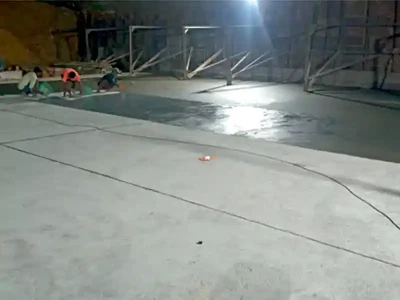
Given the scale and sensitivity of the NMIA project, execution had to be flawless. One of the challenges was ensuring uniform application across large deck surfaces without compromising curing times or membrane thickness. Our technical teams worked closely with the project contractor to conduct surface preparation assessments, ensure correct temperature conditions during installation, and maintain precise quality checks.We deployed trained applicators and conducted on-site testing at every stage. Regular adhesion tests, thickness verifications, and compatibility checks with the bituminous overlay ensured that the system was installed to the highest engineering standards. This rigorous process guaranteed a fault-free, high-performance waterproofing installation.