When contracts are awarded primarily on the lowest cost, it becomes challenging to prioritize equipment that delivers superior fuel efficiency, durability, safety, and sustainability over the long term.
Shalabh Chaturvedi
Managing Director
CASE Construction Equipment – India & SAARC

QCBS Can Bring Real Value For Money
The present government procurement system traditionally carries very high weightage on price; however, the L-I system provides competitiveness, but has a limited scope to procure technologically advanced equipment. When contracts are awarded primarily on the lowest cost, it becomes challenging to prioritize equipment that delivers superior fuel efficiency, durability, safety, and sustainability over the long term. This approach can result in higher lifecycle costs, greater downtime and does not open opportunities to leverage cutting-edge solutions that could raise productivity and environmental performance.The present procurement policies should evolve to device innovative systems which can balance the cost with quality and technology considerations. The new approach should be Quality-cum-Cost Based Selection (QCBS) to bring real value for money rather than upfront price. This will certainly help CE manufacturers to deliver world-class equipment to meet India’s infrastructure needs.
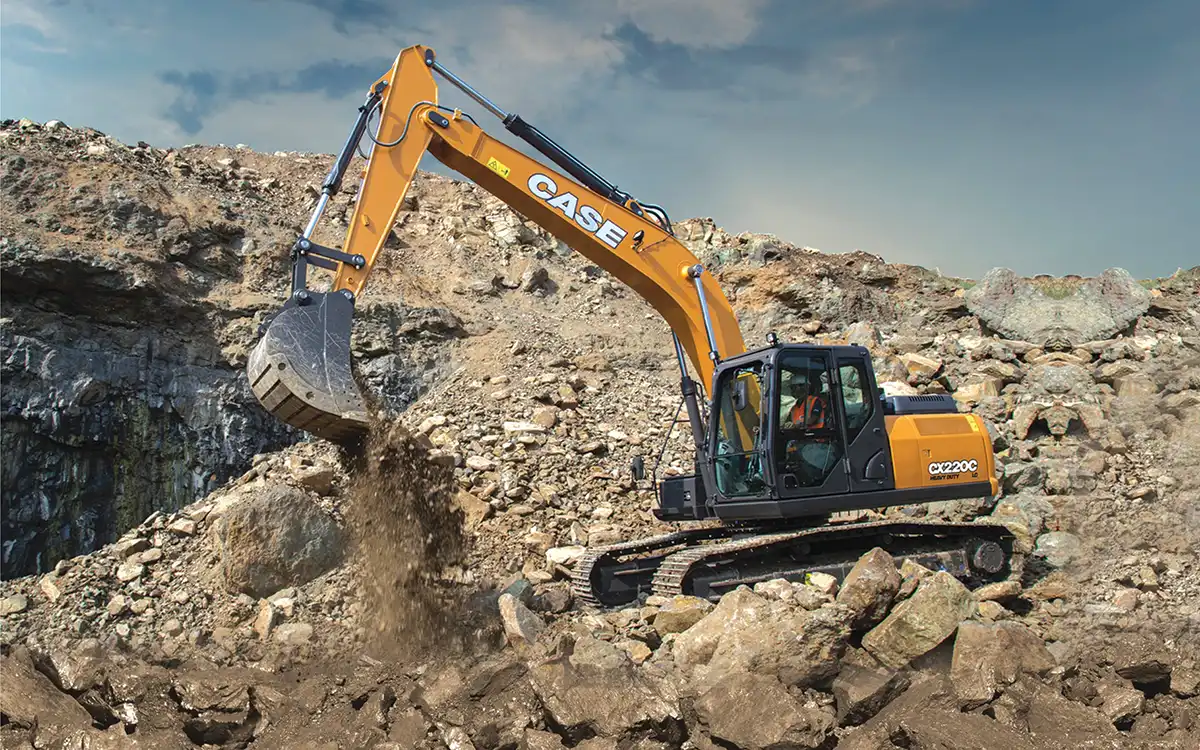
Tech-Rich Equipment Enable Long Lifecycle of Projects
Market dynamics indicate that contractors working on government projects which are tender driven, are highly cost intensive. This leads them to go for lower-priced equipment to remain competitive. This pressure sometimes discourages investment in advanced features or higher-spec machines, as the immediate focus is on keeping project costs within the constraints of L1-based contracts. As a result, the true value of long-term reliability, fuel savings, safety, and productivity can get overlooked in favour of short-term affordability.On the other hand, larger contractors and fleet owners like to invest in robust and technologically advanced equipment. Such contractors enable a long lifecycle of the project through lower operating cost and higher uptime. The challenge, therefore, is to align procurement practices with this understanding, so that both contractors and equipment manufacturers can focus on delivering quality and efficient equipment rather than achieving lowest upfront price.
DPRs Should Give Practical And Accurate Specifications
Policymakers should improve procurement framework balancing affordability and long-term value without compromising quality. One way to improve the system beyond price evaluation is giving weightage to lifecycle cost, equipment reliability, safety standards, and sustainability. The system must clearly specify fuel efficiency, emissions, operator comfort, and uptime. This will lead to consistent performance, and reduce environmental impact, thereby minimizing hidden costs.Policymakers may consider QCBS, a widely adopted best practice, where bids are evaluated on both technical merit (quality, experience, technical proposal) and financial bid, considering the weightage as technical criteria 50-70% and financial criteria 30-50%.
DPRs very often are either too generic or not aligned with ground realities. Especially in defense procurement, bidding documents are too complicated and lengthy, and therefore do not attract the bidder’s attention. Simplification and a practical approach without compromising on technical specifications and quality driven machinery are recommended.