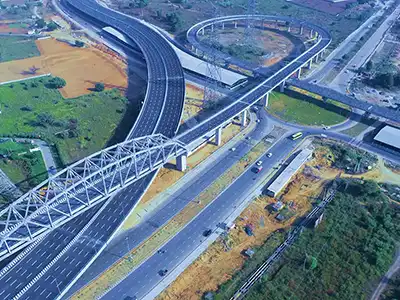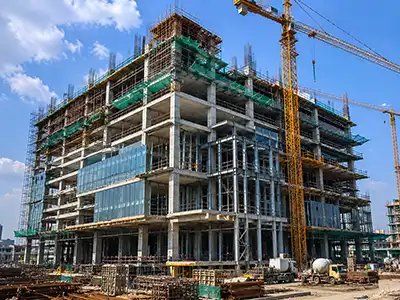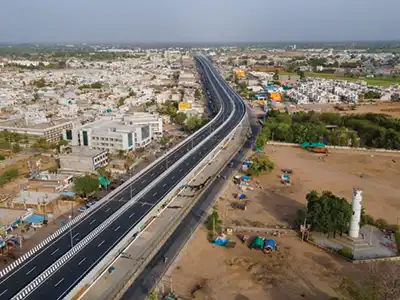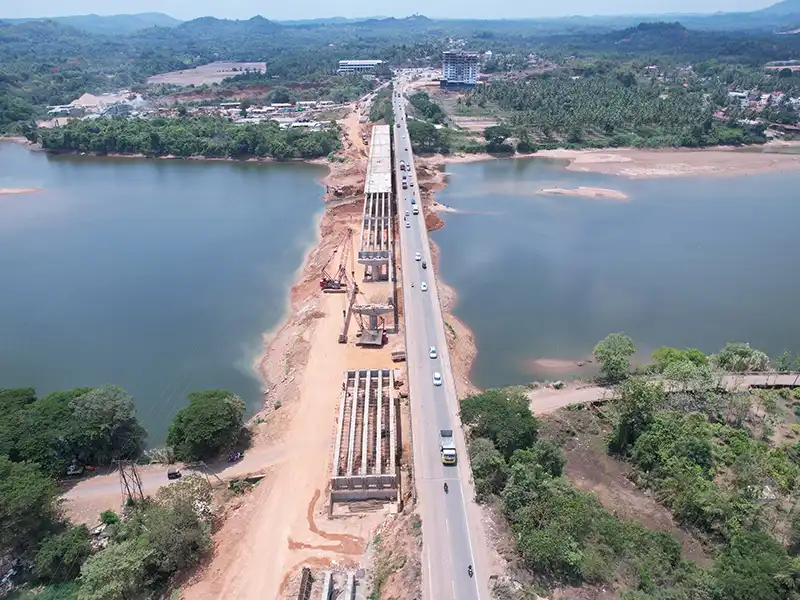
When DPRs are funded at less than 1% of project cost, far below the global 3–5% standard, the accuracy of planning suffers. Coupled with L1 bidding, this often explains why projects see delays and cost overruns.
Patel
Treasurer, Construction Federation of India & Chief Strategy & Growth Officer (CSGO)
Tata Projects

When Lowest Price Overrides Quality
Under the L1 bidding system, contractors face pressure to quote the lowest price, which often results in compromises in quality, safety, and durability. Bidders cut corners in design, materials, manpower, and safety standards, leading to delays, cost overruns, and in extreme cases, structural failures. The fallout includes poor maintenance from substandard materials, unrealistic timelines causing disputes, and safety risks due to inadequate training and equipment. Liquidity crunches also emerge when scope changes are introduced without sufficient contingency funding. Moreover, the focus on cost sidelines sustainability and environmental compliance, resulting in practices that fail to meet global infrastructure standards and become unsustainable in the long run.Despite these risks, leading firms attempt mitigation through value engineering, cross-subsidization across project components, adherence to safety and EHS benchmarks, use of mechanization and digital tools, and strategic partnerships with skilled vendors and consultants. Still, systemic reform remains essential.
DPRs: Blueprint or Bottleneck?
DPRs in India are underfunded and frequently unreliable, with allocations often less than 1% of project cost, compared to the global standard of 3–5%. NITI Aayog (2019) reported that 70% of projects face delays or cost overruns due to poor DPRs. These documents often fail to capture real-time challenges such as geological conditions, weather disruptions, labor shortages, and material supply issues, which leads to flawed planning, delays, and safety hazards.A well-prepared DPR, however, serves as a strong blueprint, covering technical design, financial structuring, environmental safeguards, and risk factors. Yet, ground realities such as land ownership disputes, shifting regulations, or market escalations are not always fully reflected. Hence, DPRs must be treated as guiding but adaptable documents.

To improve accuracy, India should allocate at least 2% of project costs toward DPR preparation, allowing for thorough feasibility studies and risk assessments. Specialized engineering firms should handle DPRs to ensure technical precision, supported by third-party reviews for compliance and risk validation. Introducing penalties for consultants providing flawed reports, along with creating a centralized repository of past DPRs, can significantly improve future planning.
When DPRs are paired with robust stakeholder consultations, validation against field data, and adaptive execution planning, their reliability and effectiveness increase substantially.
Policy Measures to Reduce Risk
For India to move beyond the pitfalls of L1, policy and governance reforms are crucial. A National Construction Policy should clearly define goals, timelines, and measurable benchmarks while embedding sustainability, technology adoption, and financing models. Digital governance can streamline project execution through technology-driven platforms for approvals, resource allocation, and tracking timelines, thereby reducing paperwork, regulatory delays, and inefficiencies.Liquidity challenges can be eased through single-window approval and payment systems, centralized digital platforms for billing, and stricter penalty clauses for delayed payments. A 2% cap on performance securities would further reduce the financial burden on contractors. Financial resilience can be strengthened by enabling access to loans, NBFC funding, or equity investments. Additionally, a special monitoring cell for large-scale projects of national importance can track progress, resolve bottlenecks, and expedite delivery.
Moving Beyond Lowest Bid
Going beyond pure L1 bidding requires adopting models like QCBS (Quality and Cost-Based Selection), value-based evaluations, and alternate commercial models. Performance benchmarking, value-for-money scoring, and linking payments to milestones can improve accountability. Minimum standards for sustainability and safety must be mandated in all bids to ensure quality infrastructure.By investing in stronger DPRs, adopting modern procurement models, and implementing governance reforms, the country can move from a lowest-cost approach to one that prioritizes value, transparency, and resilience.