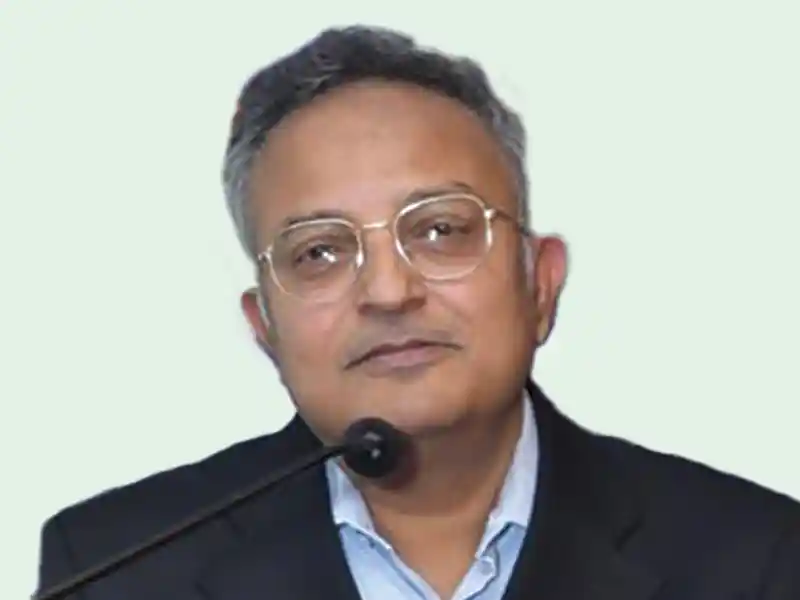
Shubhenjit Chaudhuri, Senior Vice President, JSW One Platforms explores how digital transformation, government policies, and industry-led innovations are reshaping the steel and cement ecosystem amid India’s Infrastructure boom, making the country not only a fast builder, but also a future-ready one.
At the heart of this transformation lie two fundamental materials: steel and cement. But as India prepares for its next leap, scale alone will no longer suffice. Sustainability must now be integral to growth. India holds a rare advantage: unlike developed economies that must retrofit legacy infrastructure to meet climate targets, India can design sustainability into its infrastructure from the outset. This offers not only an opportunity to leapfrog but to define global benchmarks.
Steel and cement: More than raw materials
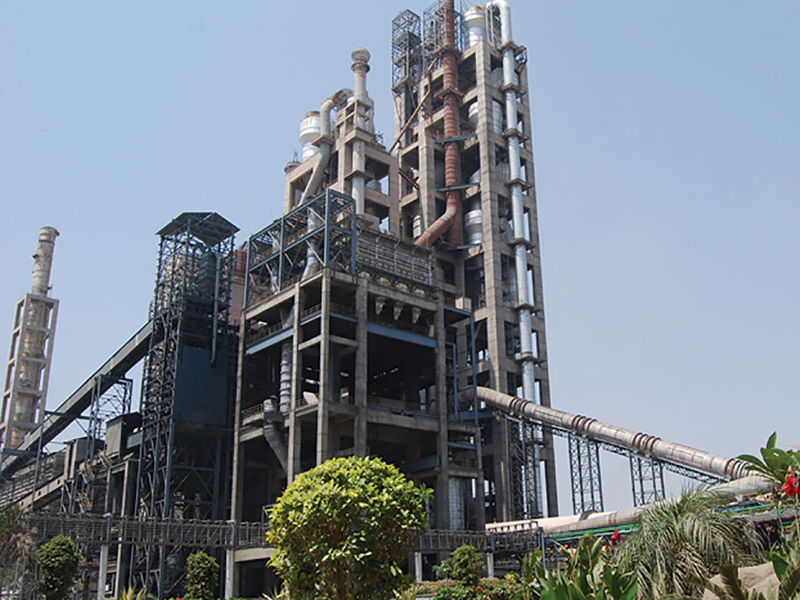
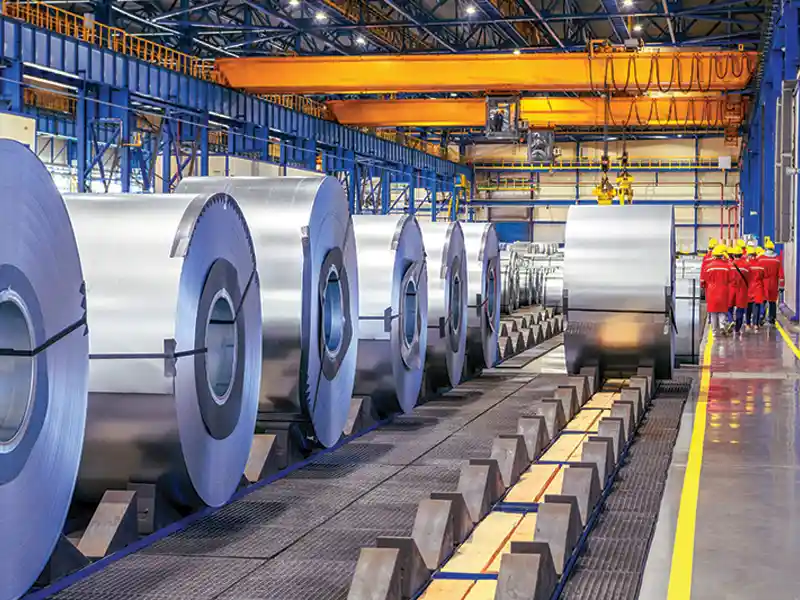
Steel and cement are more than just inputs; they are barometers of economic activity. Their consumption closely mirrors GDP growth, industrialisation and urbanisation. India is the world’s second-largest producer of both, yet per capita usage lags global averages. Cement consumption stands at just 290kg per capita versus a global average of 540kg. Steel fares similarly at 100kg compared to the global average of 220kg. This gap is not just a demand signal; it is an opportunity to reimagine how these materials are produced, moved, and used.A supply chain in flux
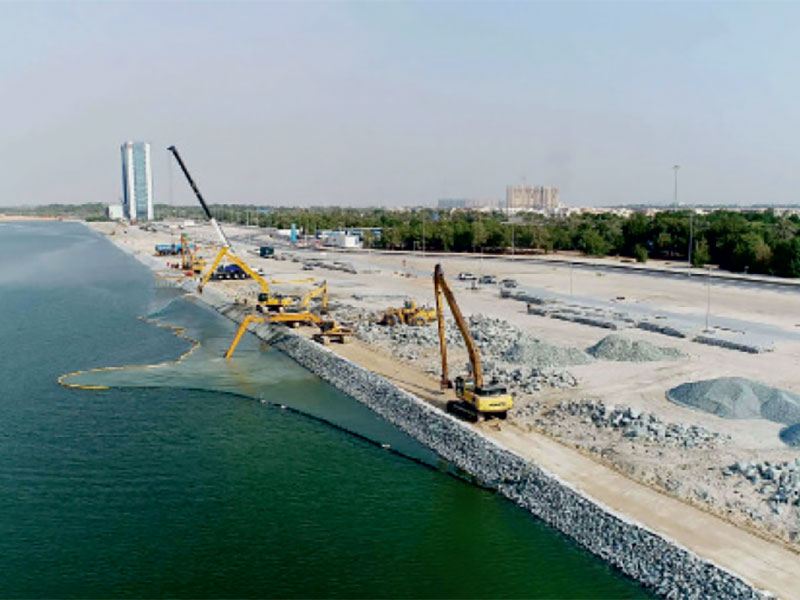
Construction in India is evolving. Developers are increasingly using high-strength, quality-certified materials like rolled beams, structural pipes, and channels, which not only support faster and leaner construction but also ensure longevity.Consumer awareness of certifications such as GreenPro and LEED is rising, often commanding a premium. The proliferation of digital tools has also made modern construction practices more accessible, extending to Tier 2 and Tier 3 cities. As mass transport infrastructure grows, the shift from private to public mobility will further lower the sector’s carbon footprint.
Beneath these visible shifts is a deeper change in the supply chain. The traditionally fragmented and informal B2B ecosystem is giving way to integrated digital networks that offer transparency in quality, pricing, financing, and logistics. For manufacturers and contractors, this means greater predictability and tighter inventory cycles. For MSMEs, it means improved working capital, more competitive pricing, and better output.
Policies, incentives and industry-led reform
Manufacturers are investing in energy-efficient kilns, carbon capture and greener alternatives such as slag-based cement and recycled steel. These are not just compliance measures; they are market responses to growing demand for certified, low-emission materials, especially in export-facing industries. Sustainability clauses are now commonplace in public and private tenders. Automotive OEMs and real estate developers increasingly demand accountability across their supply chains.
The climate clock is ticking
Carbon emissions, energy intensity, and resource consumption are now boardroom issues. For Indian firms, early investment in green practices is not just the right thing to do - it is a strategic moat. Access to export markets, eligibility for large projects and investor confidence increasingly depend on environmental credentials.Building resilience into the boom
The question is no longer whether India will build, but how it will build. Will growth be resilient, equitable, and low carbon? This demands a dual focus: expanding capacity to meet demand and ensuring that capacity aligns with sustainability goals. For industrial suppliers and MSMEs, alignment is not optional - it is a prerequisite for long-term competitiveness.India’s infrastructure boom is not just about concrete and steel. It is about laying the foundations for a more inclusive and climate-resilient economy. The choices we make today will determine the efficiency, emissions and equity of India’s growth for generations. This is not a trade-off between growth and sustainability. It is about embedding sustainability into the architecture of growth itself.
About the Author
Shubhenjit Chaudhuri is Senior Vice President at JSW One Platforms, leading the Private Brands business. He oversees the manufacturing and nationwide rollout of JSW One TMT and other construction material products, focusing on quality, accessibility, and sustainability. An electronics engineer from BIT Mesra and MBA bronze medallist from IIFT Delhi, he began his career at Tata Steel in 1995, later heading its Steel Wires business and serving as Chief of Corporate Sustainability. He also led Tata Pigments Ltd as Managing Director, promoting circular economy practices, before joining JSW Steel in 2022 and subsequently JSW One Platforms to advance sustainable construction solutions.Sources
- https://www.timesnownews.com/opinion/india/road-friendships-why-empathy-could-be-indias-most-overlooked-road-safety-tool-article-152529424
- https://www.pib.gov.in/PressReleseDetailm.aspx?PRID=2145745®=3&lang=2
- https://infra.economictimes.indiatimes.com/news/construction/india-only-country-among-top-10-global-steel-producers-to-record-consistent-growth-anand-rathi/118759779
- https://www.cemnet.com/News/story/178901/indian-cement-consumption-is-290kg-capita-in-fy24-25.html#:~:text=Indian%20cement%20consumption%20is%20~290kg,average%20of%20540kg%20per%20capita.
- https://economictimes.indiatimes.com/industry/indl-goods/svs/steel/per-capita-steel-consumption-in-india-at-100-kg-says-steel-secretary/articleshow/123286385.cms?from=mdr