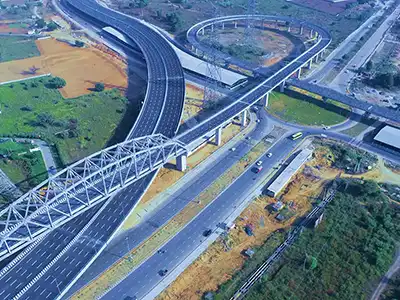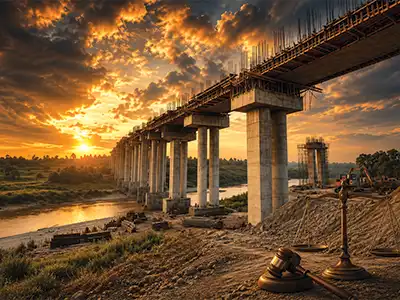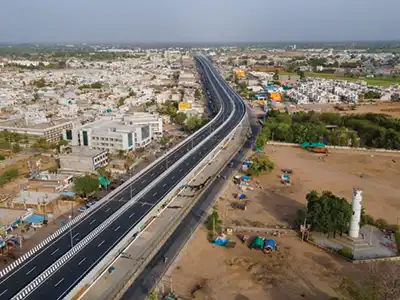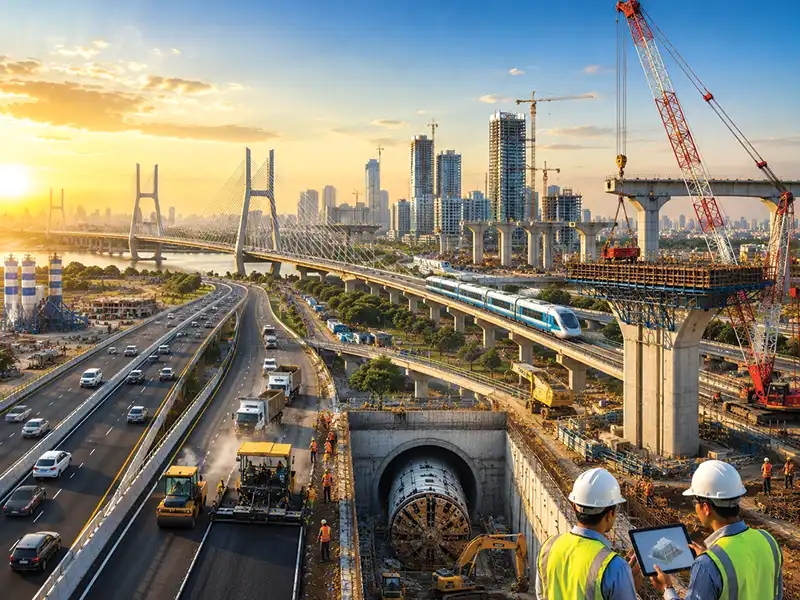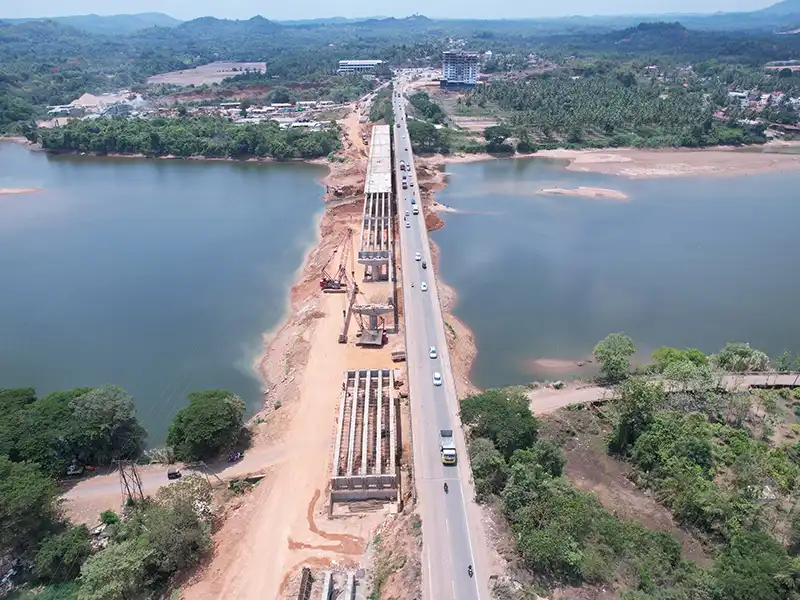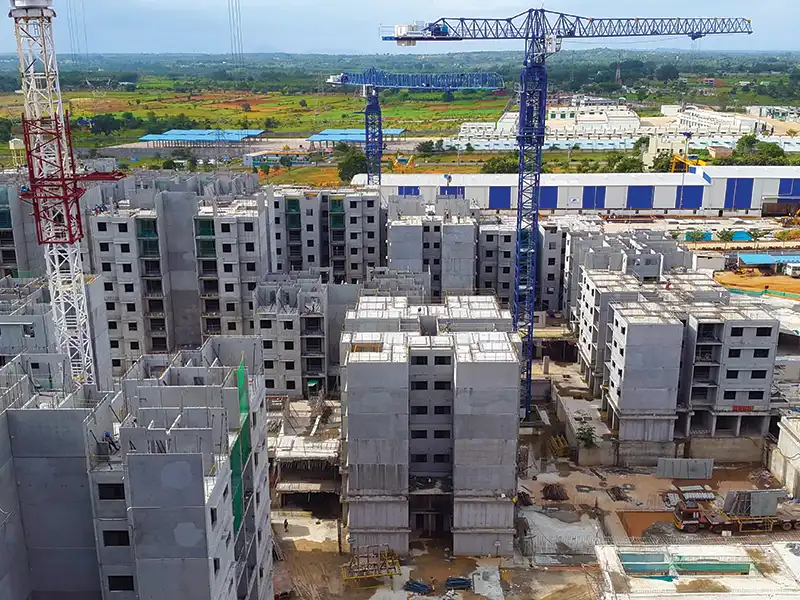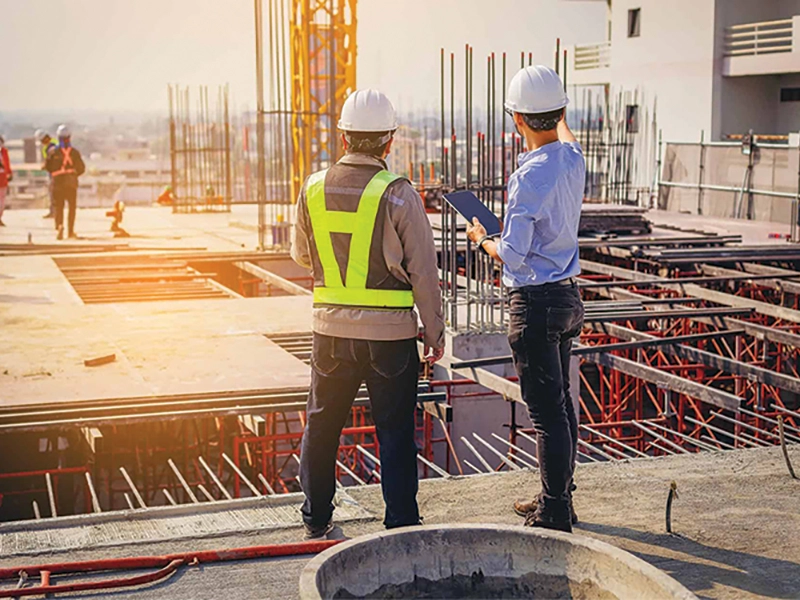
Unrealistic timelines can lead to structural failures, as seen in increasing bridge collapses and road defects, highlighting that cost is not the only factor affecting quality.
D Dilly Babu
Vice President - Business Dev. & Tendering APCO Infratech

Quality Suffers When Bids Go Too Low
The quality of infrastructure in India today is a major concern. Contractors face numerous challenges despite having adequate resources. One of the biggest issues is the current bidding process, where bids sometimes fall 25–34% below estimated costs. At such unsustainable levels, maintaining proper quality on site becomes nearly impossible.At APCO, we consciously avoid below-cost bids, focusing on fair and responsible pricing to deliver high-quality work. In the last 2–3 years, we haven’t participated in NHAI projects because the bidding environment has been extreme, though state government projects have allowed us to maintain a strong order book. We believe the system needs to improve, and we are willing to wait for a more balanced bidding environment.
Low bids directly impact quality. Nearly 50–60% of project costs go into materials such as bitumen, cement, and steel from approved suppliers, while another 10–15% covers labor and fuel. With such fixed cost structures, ultra-low bids leave little margin, making it impossible to cut corners without compromising long-term durability. Large-scale projects also require maintenance obligations of 10–15 years, meaning quality must be built in from day one.

Financial Pressures Drive Aggressive Bidding
But why are contractors forced to bid so low? The answer lies in the pressure to keep their keep equipment and manpower engaged. APCO alone holds approximatey ₹1,500 crore worth of equipment and employs over 15,000 people. Monthly EMIs and salaries cannot be deferred, creating incentives to bid aggressively even at unsustainable rates. Shareholder expectations, regional competition, and the desire to maintain order books further exacerbate the problem.Even when projects are awarded, rising input costs, inflation, and project delays increase administrative and operational expenses, often uncompensated by authorities. This financial strain further limits contractors’ ability to maintain quality during execution and over long maintenance periods. Unrealistic timelines can lead to structural failures, as seen in increasing bridge collapses and road defects, highlighting that cost is not the only factor affecting quality.
DPR Challenges and Execution Risks
In our experience, DPRs prepared by authorities often carry disclaimers stating they are for reference only, leaving contractors to verify details on-site and bid accordingly. This effectively makes the DPR non-binding, yet some contractors rely on them and then struggle to meet unrealistic or unclear requirements.A key issue is that DPRs in India are rarely prepared with sufficient time or budget, leaving consultants unable to produce thorough, accurate reports. As a result, DPRs are often treated as formalities, creating major execution challenges. Recognizing this, Hon’ble Minister, Shri Nitin Gadkari, has initiated steps to tighten accountability for DPR consultants, including empaneling qualified experts and monitoring their performance, with consequences if DPRs lead to execution problems.
Another problem is diluted or vague scopes of work. Unspecified elements, such as the number of streetlights or precise quantities, often emerge during execution, causing cost overruns of 10–15% and disputes. Hedging clauses, like refusing payment for additional work when project dimensions change, unfairly burden contractors.
To address these issues, DPRs must be treated as critical documents rather than formalities. Consultants need adequate time and budgets, and DPRs should be reviewed before tendering so necessary amendments can be made. Clear, quantified scopes, transparent clauses, and accountability are essential for reducing disputes, improving quality, and ensuring efficient project delivery.
Time and Policy Reforms for Responsible Bidding
Current tender timelines are too short, typically only 45 days, forcing contractors to rush cost assessments and site evaluations. Extending bidding windows to at least three months would allow for proper field visits, scope analysis, and informed cost estimates, resulting in realistic, competitive, and sustainable bids.Policy reforms are equally crucial. While L1 bidding remains the default, introducing fairer qualification criteria, strict timelines, and clear DPRs will reduce undercutting, improve pricing, and ensure quality. Alongside systemic improvements in approvals, land acquisition, and utility shifting, these measures can create a balanced bidding environment that benefits both contractors and the long-term success of infrastructure projects.