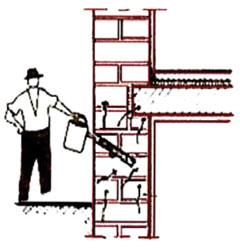
Rising dampness in super structure causes paint and plaster to peel off. Similarly it causes wood to smell and warp, allows a total fungal growth thereby leading to the deterioration of the structure. Samafit VK damp proofing chemical eliminates this problem by sealing the wall and providing an impermeable barrier to the passage of the walls. It enters the capillaries and convert the hydroscopic to hydrophobic by the process of silicification. Being a two component product it has to introduce into a zigzag pre-drilled holes separately after proper timing gap. The two components reacts in the capillaries and form product which makes the capillary non wettable. Therefore the water does not rise in the capillaries against the gravity but depresses and controls the rising dampness. Samafit VK therefore protects the structures from the dampness which normally encourages the moss and fungus growth and root growth. The walls are rendered dry for better plastering and painting. It can be universally used whereas the water ingress is due to capillary action. Samafit VK can be effectively used for masonry super structures as well pores construction materials which are unconventional. It can be very effectively used for old structures, monuments, and for structures in area which are having high water table as to prevent the rising dampness occurring due to splashing rains in the lower unprotected zones. It is most efficient in solving the problems of the capillary action.
Want to connect with the manufacturer or get more details?
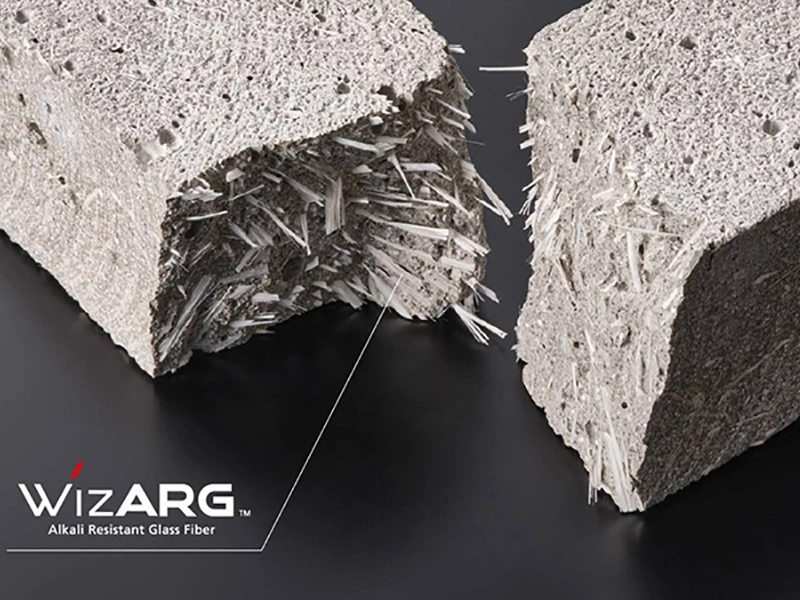
With its superior strength-to-weight ratio, design versatility, durability, corrosion resistance, and reduced maintenance requirements, Glass Fiber Reinforced
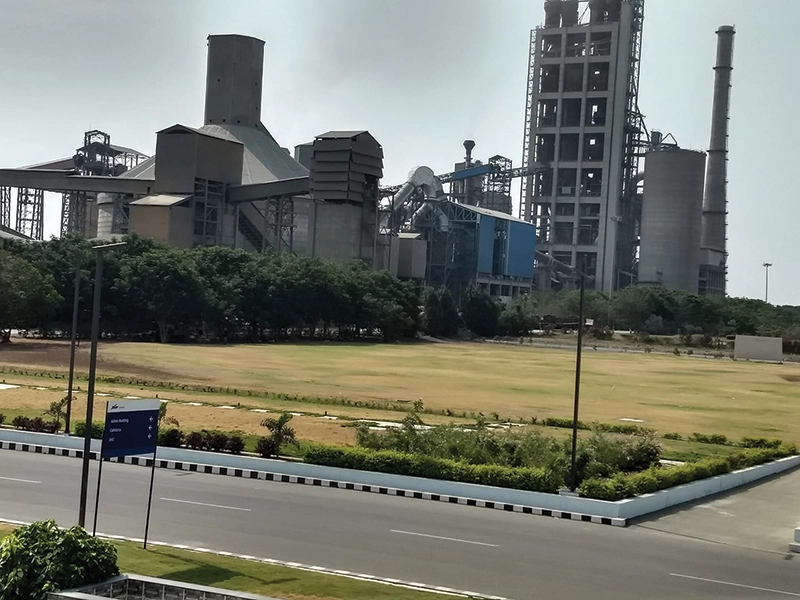
As the cement sector searches for viable decarbonisation pathways, waste-derived fuels are rapidly moving from experimental concepts to industrial reality.
The inclusion of aggregate geological origin in elastic modulus estimation under draft IS 456:2025 marks a significant shift in RCC design approach. Dr. Dada S
India’s accelerated infrastructure expansion across highways, logistics parks, industrial corridors, ports, metro systems, and smart urban developments, has
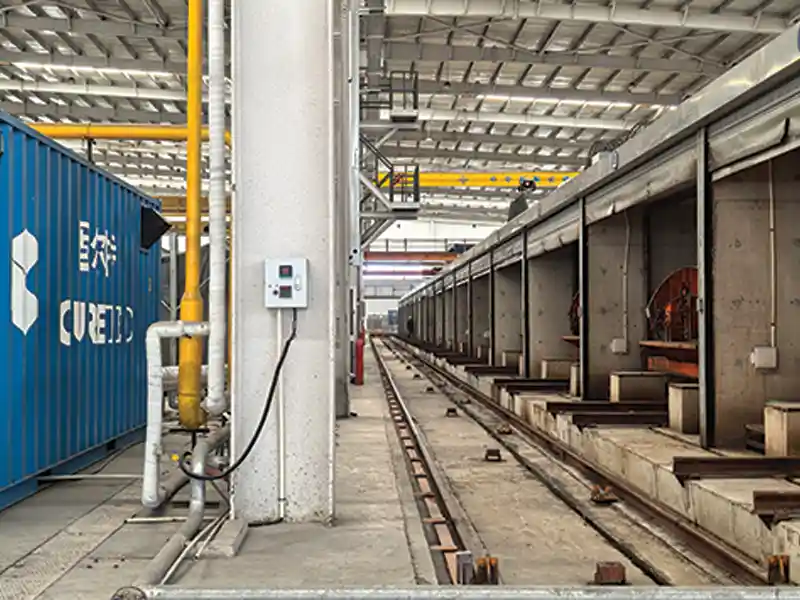
The Progress Group, a leading company in mechanical engineering and precast concrete production, has achieved a technological breakthrough with the development
Bridges, flyovers, metro structures, as well as transport infrastructure and buildings are continuously exposed to UV radiation, driving rain, chlorides,
Concrete has advanced by the use of admixtures—both chemical and mineral to meet the demands of modern construction. This article by Sasanka Dey (Concrete
In this article, Dr. Naba Kumar Haldar, Group Head – QA & EHS, Bharti Real Estate, examines the role of Artificial Intelligence (AI) in concrete mix design and
Smart curing lays the foundation for resilient infrastructure. Beyond boosting performance, it empowers India to build faster, greener, and more sustainably.
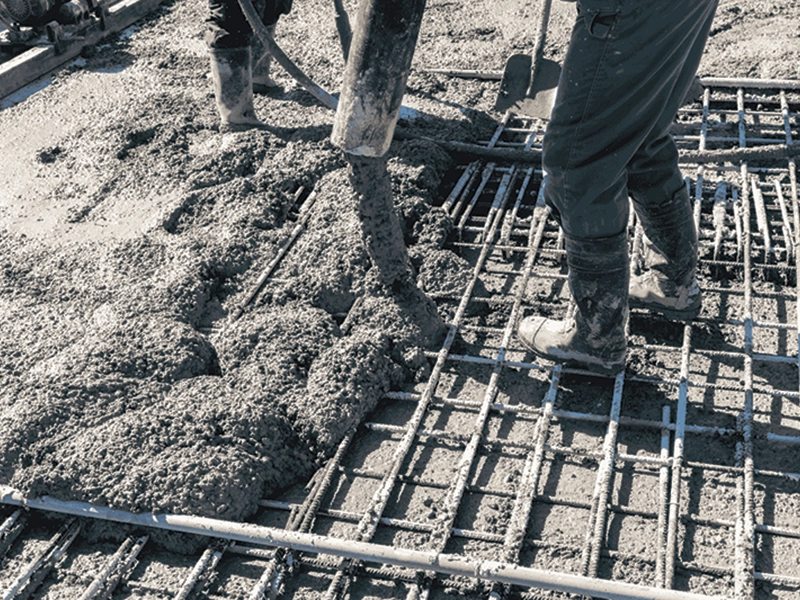
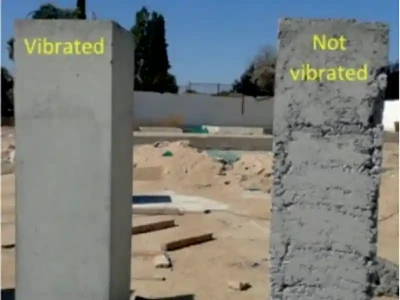
This study highlights the hidden risks of poor concrete compaction, showing how inadequate vibration increases porosity, lowers strength, and leads to misleading
The article by Celia Luterbacher spotlights LC³ as a practical, high-performance path to low-carbon construction, showcasing how collaborative research and
A distinguished and unique color blend contributes significantly to the character of concrete blocks. Masa Multi Color Systems are an indispensable tool for
India’s PMAY and PMGSY have delivered millions of homes and roads, but at a high carbon cost due to the heavy cement use. In this study, Dr. S. B. Hegde, Professor
Backed by Amazecrete Pvt. Ltd, ICRETE is seen as a game-changing additive for sustainable, durable, and cost-effective concrete construction. delivering performance
Dr. Dada S. Patil, Associate Professor at AIKTC, SoET, Panvel, Navi Mumbai, draws attention to a commonly overlooked but critical issue in concrete construction:
Dr. Supradip Das, Vice – Chairman, Waterproofing and Damp-proofing Sectional Committee (CED 41) BIS and Ex. V P - Indian Concrete Institute, examines how embracing
The use of Supplementary Cementitious Materials (SCMs) offers a sustainable pathway to reduce dependence on Ordinary Portland Cement (OPC) in concrete. In this
In the world of construction, breakthroughs that redefine how we build are rare but when they do occur, they revolutionize the industry. ICRETE is one such innovation. This engineered, patented additi
Dr. L.R. Manjunatha, Concrete Technologist & Head – Business Development, JSW Cement, discusses the rising adoption of RMC, its sustainability benefits, quality and regulatory advancements, and it
Professor (Dr.) S B Hegde provides a thorough examination of the challenges faced by concrete infrastructure in India’s coastal and harsh environments; the impact of salt, humidity, pollution, and ext