Mechanized loT, intelligent remote-control systems, and automation of heavy off-highway equipment in the agriculture, construction, and mining industries ensure greater efficiency and more safety. These advanced systems enable heavy equipment to operate autonomously and work in harsh environments.
However, for equipment to run efficiently and reliably with minimal downtime, even in tough conditions, all components, including the mechanical face seals, must be robust enough to withstand rough terrains and extreme temperatures.
Importance of mechanical face seals
Mechanical face seals (also called lifetime seals or floater seals) are important for ensuring long-life function of heavy equipment used in agriculture, construction, and mining projects. This is because the performance requirement for equipment is becoming even more stringent due to the trend of autonomous solutions.
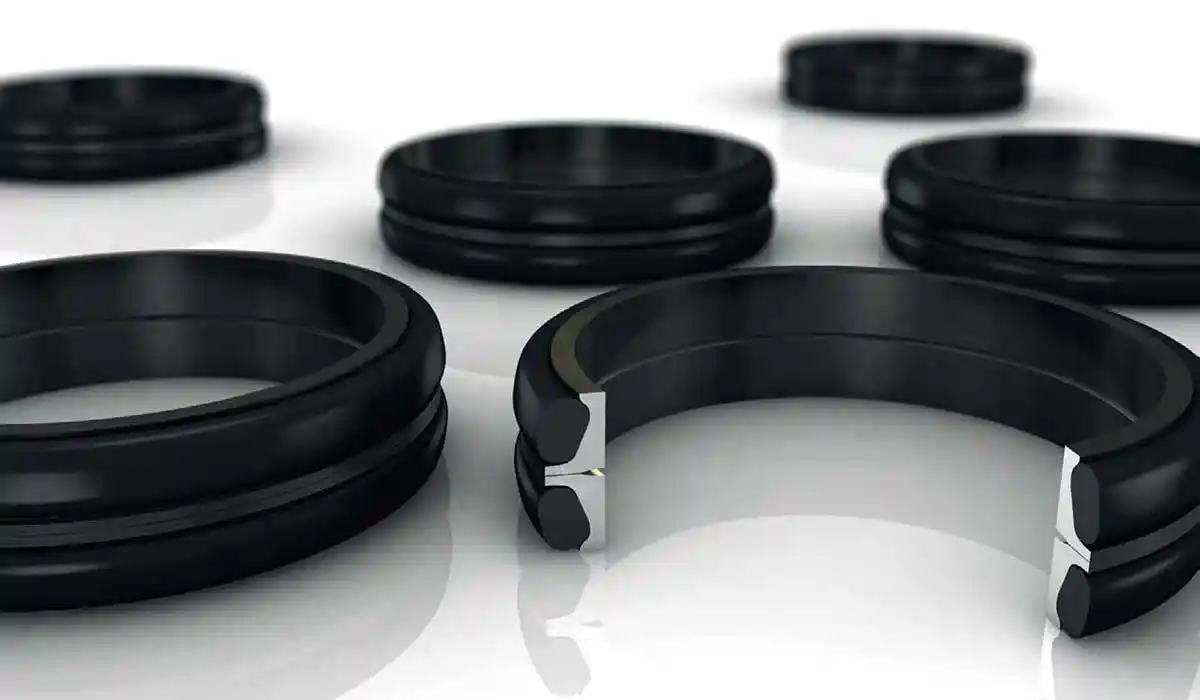
These heavy-duty seals are specifically engineered for rotating applications in extremely harsh environments, where they can withstand severe wear and tear, and thereby prevent the ingress of harsh and abrasive external media. Mechanical face seals are used in transmissions, gearboxes, and undercarriages. They have a simple design, and ensure a long service life, ease of assembly, and reliability.
As technology begins to play a bigger role in agriculture, construction, and mining equipment, the equipment will be expected to perform more efficiently and consistently than ever before, especially for global OEMs that build equipment for use in various types of terrains.
There are two types of mechanical face seals: The most common seal uses an elastomeric O-ring as a secondary sealing element. The second type uses an elastomer with a diamond-shaped cross-section as a secondary sealing element instead of the O-ring. Both types have two identical metal seal rings mounted in two separate housings face to face on a lapped seal face. The metal rings usually come in Bearing Steel and Cast Iron.
Advantages and operating conditions
In muddy and aggressive environments in the off-highway industry, mechanical face seals protect against vibrations and misalignments; they provide cost-effective sealing against external dirt, sand, and water. Protecting and extending the life of large equipment improves sustainability by reducing the volume of damaged parts and components that end up in landfills.
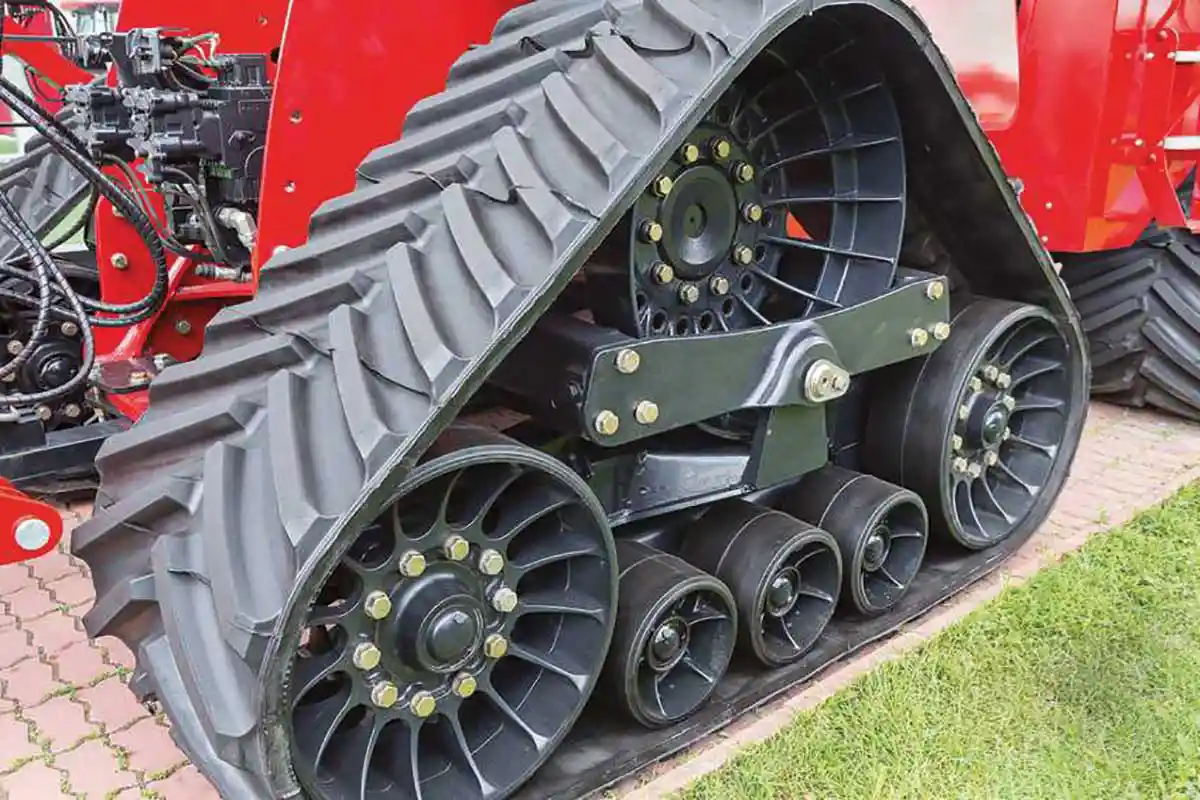
Nexus launched by Trelleborg Sealing Solutions
The recently launched Nexus is a new spring steel material used to produce mechanical face seals with good performance for construction equipment, in which the peripheral speed is relatively low. Nexus mechanical face seals also have more flexibility against mud packing. Advantages of Nexus Seals include the following:
- High sealing performances in application where peripheral speed is limited
- Good flexibility against MUD compression
- Excavators and construction machines can work very well in very tough environments where the MUD attach is very aggressive. The MFS needs to give resistance to the MUD compression that pushes the metal parts.