
Crawler Cranes - The Pricing Fallout
Indian construction sector is all set to witness an interesting saga of the pricing of medium and higher class hydraulic crawler cranes. Prices are well likely to remain at constant levels as was the case during the third quarter of 2009 (this is actually when prices firmed up followed by its southward movement in mid 2008). While this is likely to cheer the end users of multi-utility equipments, however, manufacturers are seriously weighing local demand situation and looking to deliver products through innovative pricing and better customer support to retain their market presence.
The demand for 250 tons and above class in crawler crane category and above 100 ton in tyre mounted category remains quite firm in India led by sound demand fundamentals. Consistency in prices is well expected to remain during 2011. However, variations, leading to northward movements are likely to happen during 2012. Nonetheless, manufacturers observe the predicted trend as 'unclear.'

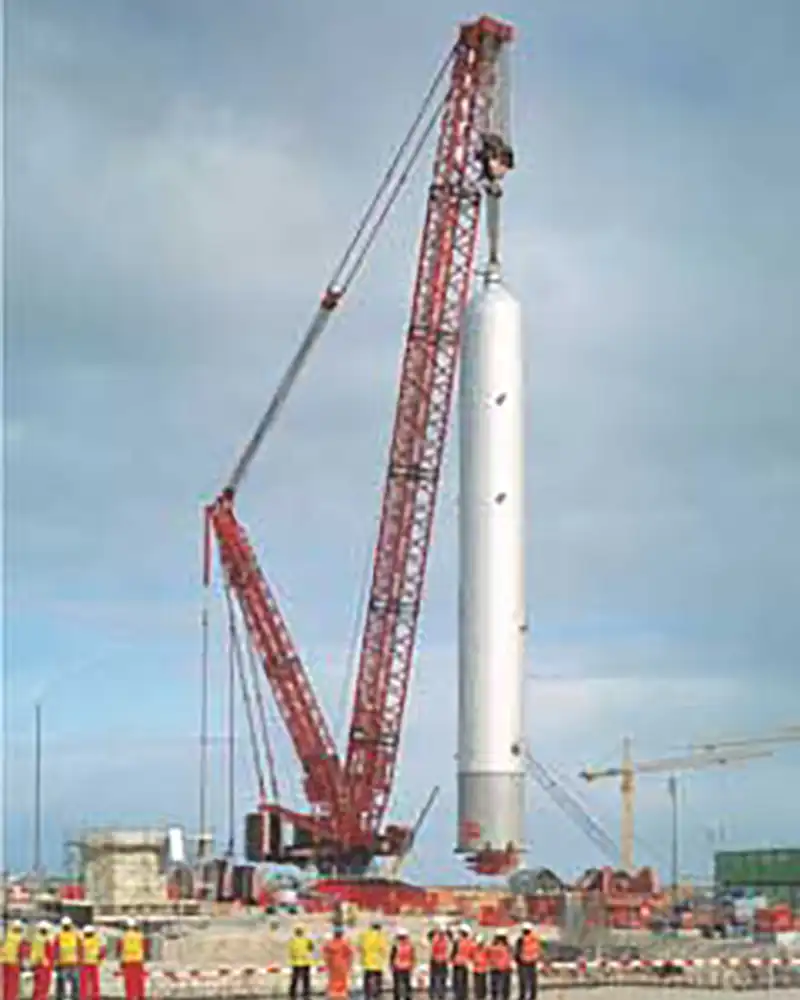
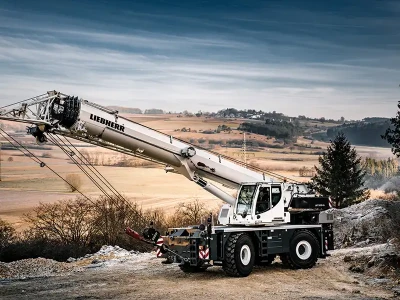
Liebherr, which sells its medium and high capacity crawler and mobile cranes in India through the prevailing Euro exchange rates does not plan to cut down on prices as they maintain similar price globally and do not decided it country wise. The company has recently received orders to supply two units of 1350 t hydraulic crawler cranes from Nuclear Power Corporation of India Limited. It has also received order from BHEL to supply couple of units of 600 ton and a large quantity of 350 ton crawler cranes besides a good number of tyre mounted cranes from cement industry.

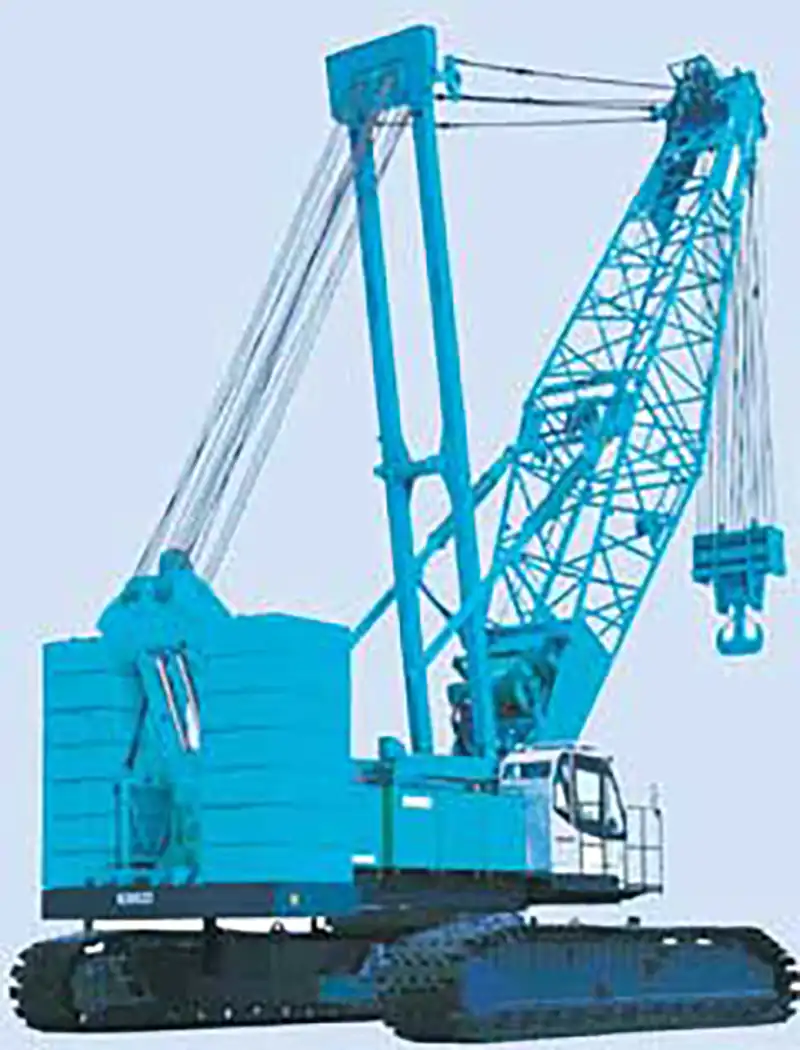
Steep appreciation of Japanese yen has also compelled Telcon to cut down on prices of its Japanese Hitachi-Sumitomo hydraulic cranes in India. Telcon has resorted to a price cut at the rate of 30% to make the products attractive to Indian customers. However, to make the product price competitive, Telcon has begun indigenization of the Hitachi-Sumitomo crawler cranes in India.
According to a company spokesman, Telcon plans to launch 80ton hydraulic crawler cranes in India during 2011. The crane would be having 80% localized component while 30% would be imported. This would include electronics and sheet metals. As per the spokesman, post receiving due feedback from the Indian market, Telcon proposes to indigenize 250tons Hitachi-Sumitomo hydraulic crawler cranes. The company made extensive modifications in its best selling duty cycle TFC cranes.
Appreciation of Yen has made the hydraulic crawler cranes expensive putting breakers for their entry in India making manufacturers and distributors to cut prices. Equally high shipment costs from Far East to India have increased prices posing a dual challenge for manufacturers.

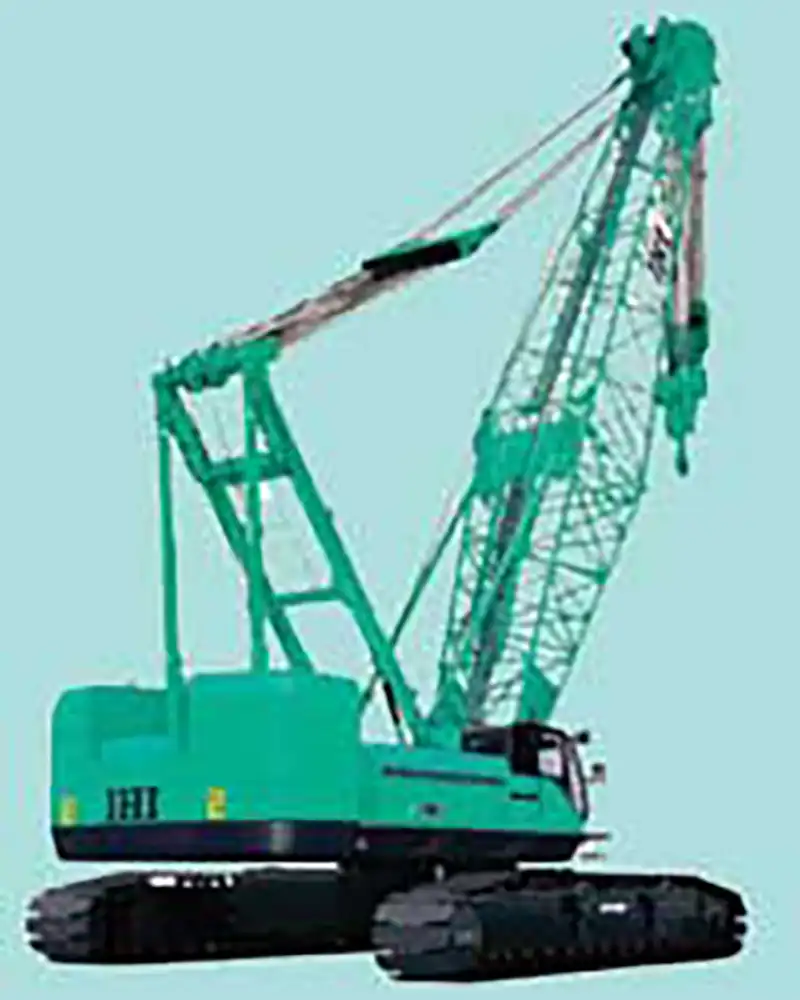
However, as a strategy to counter high pricing and retain our market presence, we are planning to provide better customer support. Besides these, we are also planning to provide long-term loans and extended guarantee to our customers." He further added that still there are few customers who value a quality product over an initial acquisition cost as the life cycle of a crawler crane is quite good. ECEL is the distributor of Japanese manufactured IHI hydraulic crawler cranes in India.

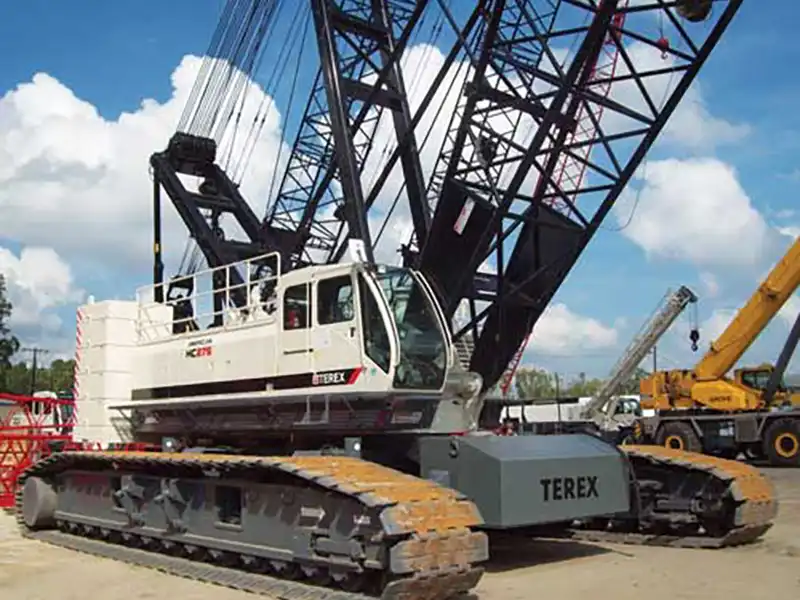
The engineering that goes in Terex cranes, makes us competitive in providing value for money to our customers, through enhanced equipment uptime as compared to our competitors." He says, "Terex cranes are superior in their safety features coupled with reliable electronics and most importantly hydraulics system build into the product. The superior features of the cranes would allow us to retain our brand value in the long run despite competition hotting up through the entrance of competitors in India."
Manufacturers observed that though the demand would remain firm from Greenfield projects happening. Besides these, there would be demand from project maintenance for refineries and power plants. Demand would also be driven from emerging markets like Korea, Vietnam, and Myanmar with China continuing to rule the roost. A good reason for manufacturers for not losing sleep altogether. Nonetheless, coupled with all the factors pricing buoyancy would be distant. However, for Indian contractors and project developers it is time to cheer.
Published on:
01 February 2011
Published in: NBM&CW February 2011
Share:
We Value Your Comment