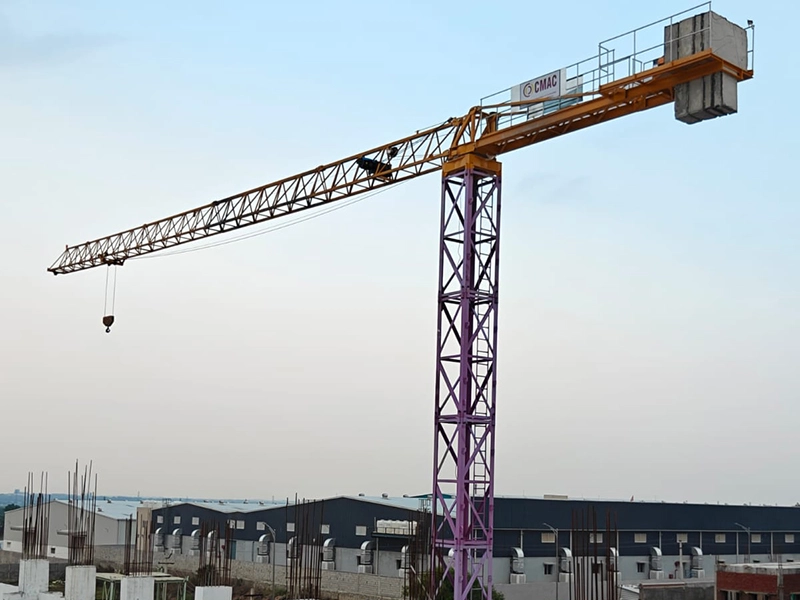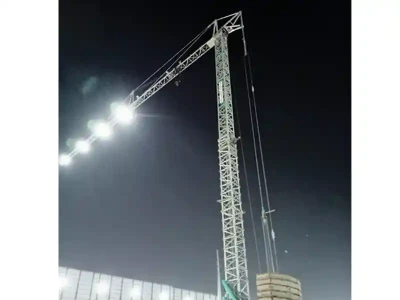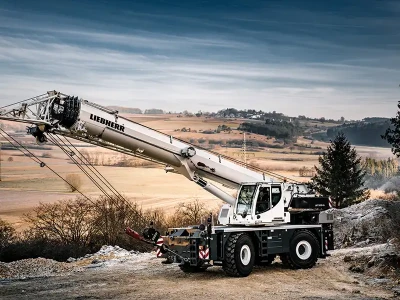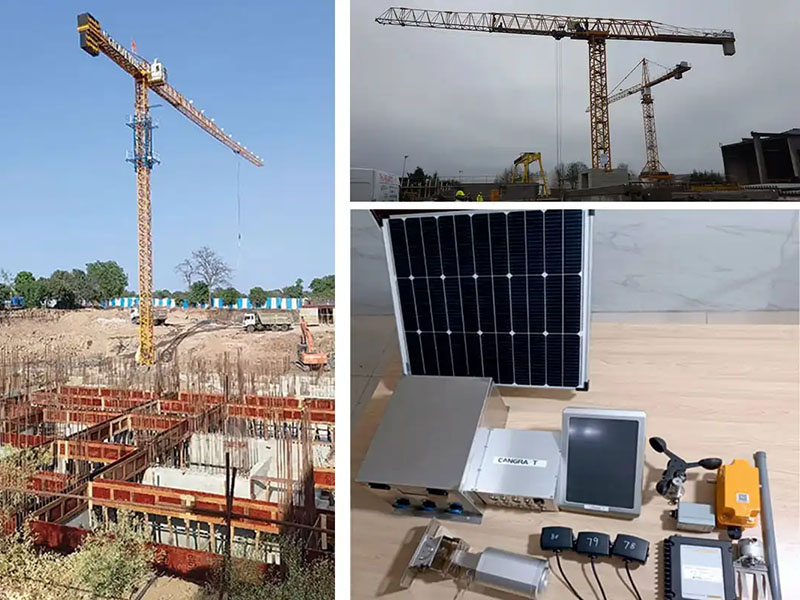
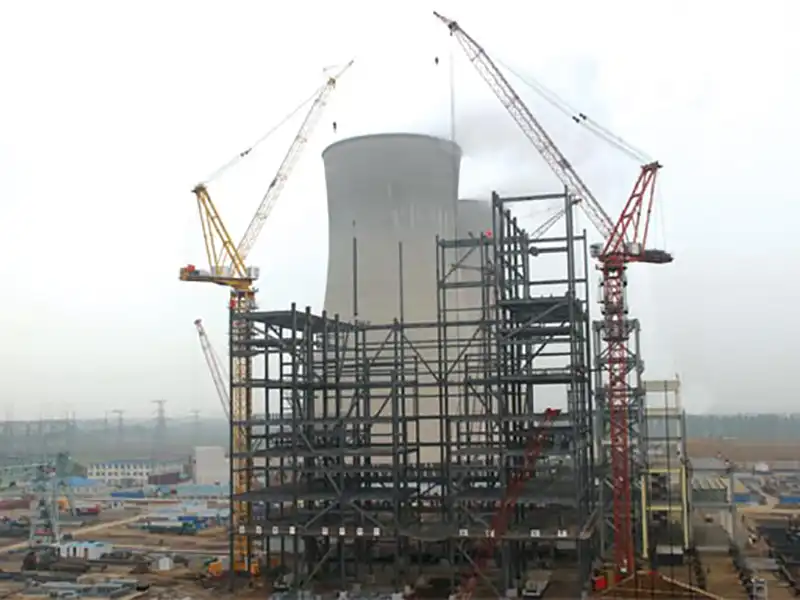
| Brief comparison between the two models in large power station construction field | ||||
| Description | Luffing jib tower crane (Large Capacity) |
Level jib tower crane (Large Capacity) |
Comparison results | |
| Luffing jib type | Level jib type | |||
| Application field | Widely used and it can replace level jib tower crane | Relatively narrow in application field and it can not replace luffing jib tower crane | Superior | inferior |
| Laying out flexibility | Good | Bad | Superior | Inferior |
| Design, manufacture and manufacturing cost | Complex design and manufacture and high manufacturing cost | Relatively easy and low manufacturing cost | Inferior | Superior |
| Safety | High | Relatively low | Superior | Inferior |
| Anti-wind ability | Strong | Weak | Superior | Inferior |
| Perching accuracy and efficiency | High | Low | Superior | Inferior |
| Lifting and derricking speed | Fast | Slow | Inferior | Superior |
| Lifting capacity at large radius and the same moment | Large | Small | Superior | Inferior |
| Maximum radius at the same moment | Small | Large | Inferior | Superior |
| Safety and suitability of cooperative operation | Strong | Weak | Superior | Inferior |
| Erecting and dismantling cost | Low | High | Superior | Inferior |
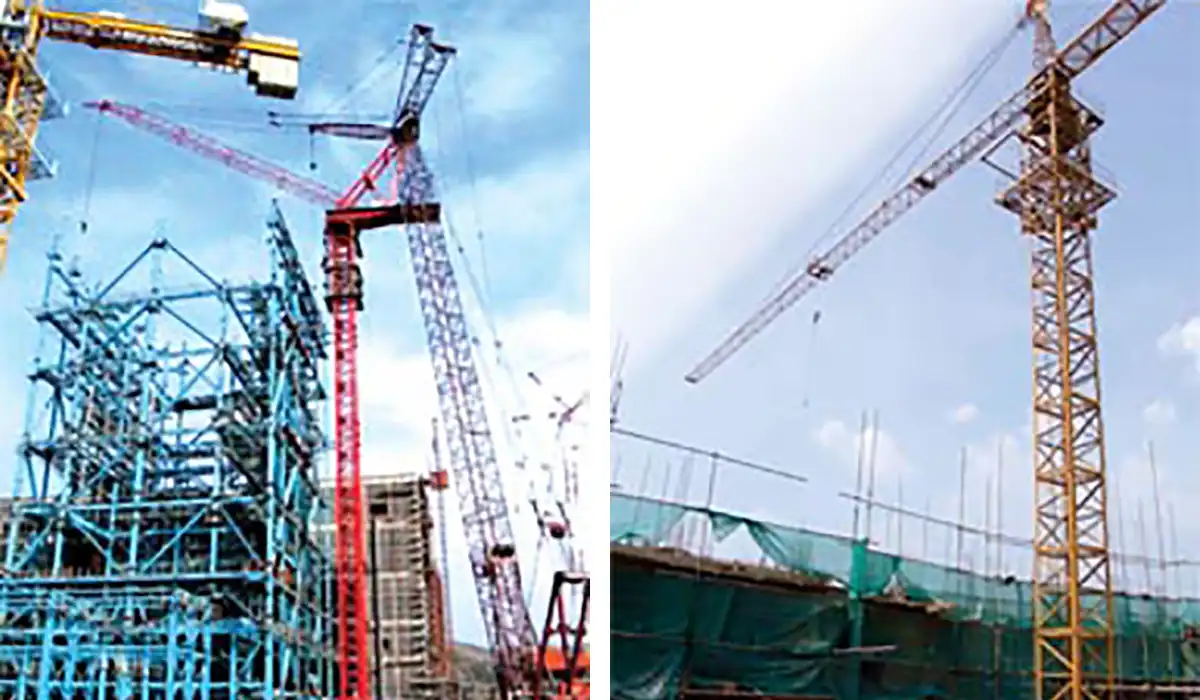
The following issues need to be carefully considered for large level jib tower crane
- Plane layout feasible or not? Large project needs simultaneous operation of many sets of cranes as it is very important for dodging of cranes from each other and from buildings. Otherwise, it may possibly lead to very low efficiency in operation, high risk and unguaranteed time limit for a project. But luffing jib tower crane is very flexible in boom range no matter, it is in working condition or nonworking condition for conveniently dodging the other cranes and buildings in construction field while level jib tower crane can not do that either in working condition or non-working condition.
- Are local climate especially wind frequency and wind speed suitable for using level jib tower crane? According to safety code, the slewing and brake mechanism of the crane must be released in non-working condition (i.e. free slewing condition) to ensure that the boom can freely slew with the wind for reducing wind influence to crane. Take dodging into consideration, whether the boom of the level jib tower crane is allowed to freely slew with wind or not? Luffing jib tower crane can simultaneously release slewing and brake mechanism and locate the boom in small range for the purpose of extensively reducing wind influence to the crane and avoiding collision between the boom and other cranes and buildings when freely slewing in non-working condition.
- Whether the cooperative operation of two sets of crane is needed in present and future project? Owing to the economical efficiency and shortage of crane with more large specification, the cooperative operation of two sets of cranes Is adopted widely. For cooperative operation, luffing jib tower crane has great advantage while level jib tower crane is very dangerous to use for structural limitation or even unavailable for interference between the crane and the building.
- Which country or area can your crane be used at present or in future? Level jib tower crane is prohibited in many countries and many areas. And landowners in many countries are entitled to have command of the air at limited height so that you can avoid lawsuit if you do not let your crane breach other people's sovereignty. According to the data of constructed power plant in China, most of the sites adopted luffing jib tower crane as the main lifting machinery that the customers can be benefited for scientifically choosing proper crane model.