
Keestrack shifts via e-drive to ZERO drive
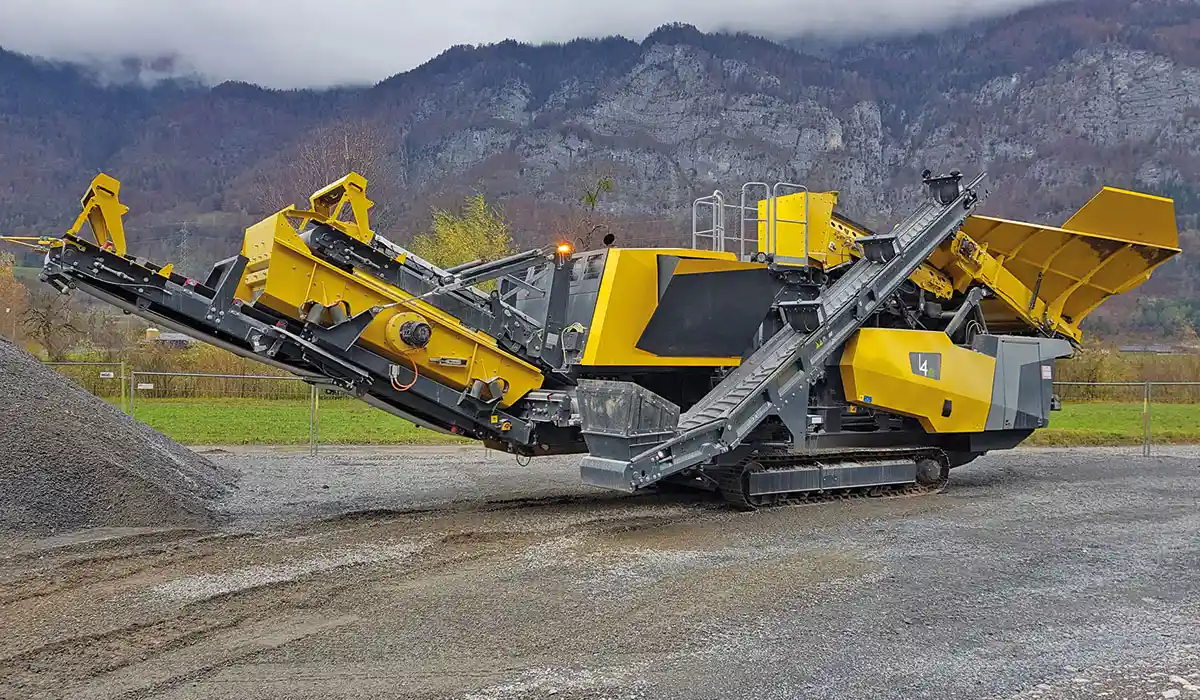
“A focus on sustainability is at the core of our company. Producing and recycling valuable raw materials is what mobile crushing and screening is all about, and urban mining is definitely having a positive impact on the ecological footprint,” says Frederik Hoogendoorn, VP - Sales & Marketing.
Keestrack is active in quarrying, mining, and aggregates industries – all of which are heavy-duty industries which need very powerful drive systems. Keestrack has kept on searching for alternative drive systems. From load sensing hydraulics to e-drives, it is now going to ZERO drives.
E-drive and drop-off engine
Keestrack introduced electric drives in 2012 by the e-drive; electric plug-in with onboard diesel/genset in case there is no electric plug-in available. The e-driven machines evolved to machines with a drop-off engine/genset unit which could be placed next to the machine, in less dusty and vibrant circumstances, or on the frame of the machine.
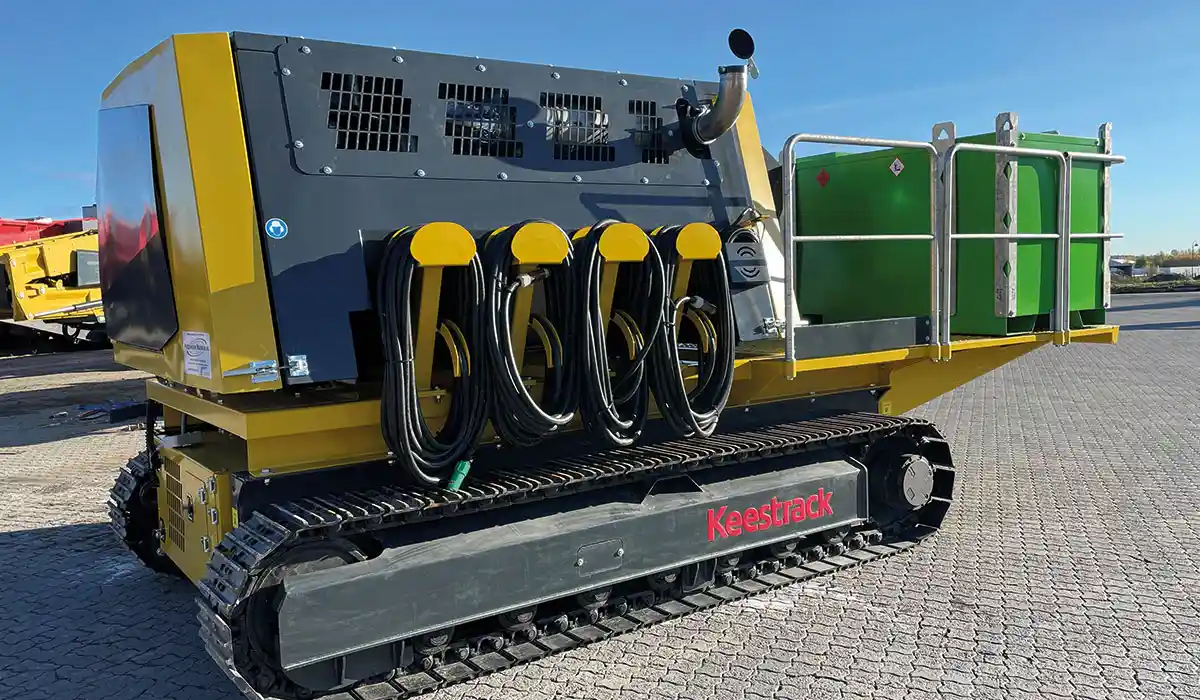
Zero drive
Keestrack introduced the ZERO-drive machines without any combustion engines on board. Electric motors drive most of the mobile crushing and screening equipment and power some necessary hydraulics systems. The following equipment is available in ZERO-drive:
- H6e & H7e cone crushers
- All impact crushers including I4e
- All scalper screens except the K8
- C6e classifier
- All stackers
- All jaw crushers except the B3
- Tracked Apron feeder A6
Compared to conventional diesel-hydraulic units, diesel-electric driven plants directly save up to 40% of fuel. While working in production trains, the attributable fuel consumption may even decrease by 70% when the hybrid screens and stackers are powered directly via the plug-out supply of an upstream or downstream electric crusher. When plugged into the grid, savings are even bigger (depending on the local electricity price), as operational costs and maintenance cost will decrease drastically.
Published on:
07 December 2022
Published in: NBM&CW DECEMBER 2022
Share:
We Value Your Comment